
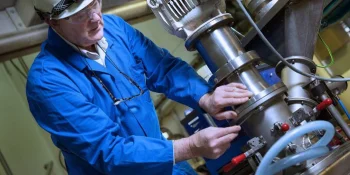
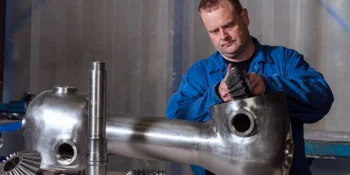
ATEX is the European framework for potentially explosive atmospheres. It covers equipment and protective systems intended for use in hazardous areas, as well as workplace obligations such as zoning, risk assessment and documentation.

Menu

KNOWLEDGE HUB
Process technologies for tomorrow.
Dust Explosion Safety in Powder Processing
Assess dust explosion safety in powder processing by looking at the interaction between material behaviour, equipment design and operating conditions. In systems handling fine powders, small changes in moisture content, particle size distribution, conveying conditions or discharge behaviour can influence the formation of combustible dust clouds and the probability of ignition. For installations using Hosokawa Micron equipment, dust explosion safety is approached as a process and system topic.
ATEX and IECEx provide important regulatory and certification frameworks, but effective risk reduction depends on how safety measures are applied to the actual powder process, including transfer points, filters, dryers, mills, discharge interfaces and control of electrostatic charging. ATEX Directive 2014/34/EU covers equipment and protective systems intended for use in potentially explosive atmospheres. IECEx is the IEC certification system for equipment used in explosive atmospheres.
How dust explosions occur in powder processing
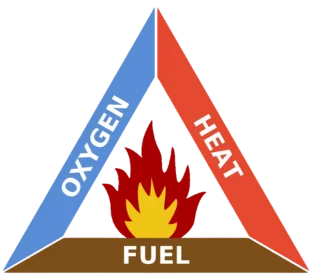
A dust explosion requires three elements: combustible dust, oxygen and an ignition source. In powder processing, the combustible material is often present as a dispersed dust cloud. Oxygen is normally present in air. The key engineering question is therefore where ignition sources may occur during normal operation, start-up, shutdown, cleaning or upset conditions.
Static electricity is a common ignition risk in powder processing systems. Fine particles moving through mixers, dryers, mills, filters, valves or conveying lines can generate electrostatic charge through friction and separation. If this charge cannot dissipate safely through grounding, bonding or controlled discharge paths, it may create a spark capable of igniting a combustible dust cloud.
Dust explosion risks often become visible through process symptoms before they appear as formal compliance issues. Typical indicators include dust release, filter overload, product build-up, unstable discharge behaviour, unexpected hotspots or recurring contamination around transfer points. In many cases, the root cause is not a single component but the interaction between powder behaviour, operating conditions and system interfaces.
Understanding ATEX and IECEx
ATEX and IECEx are often used as shorthand for explosion safety in industrial systems, but they do not serve exactly the same role.
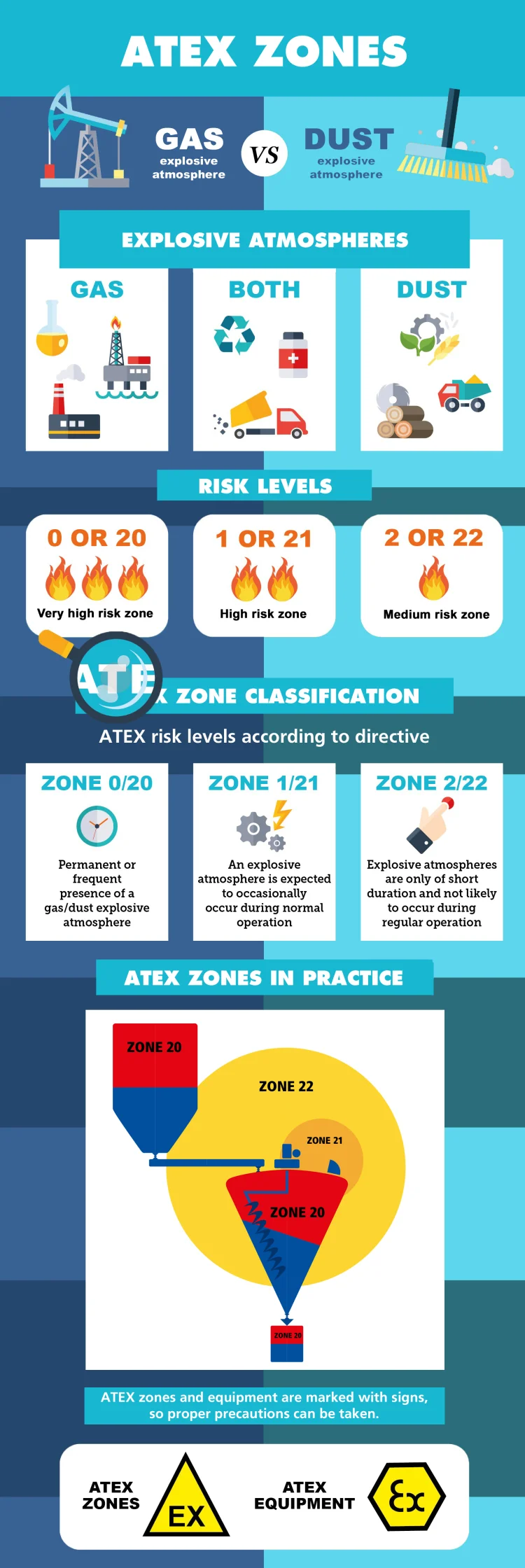
ATEX is the European framework for equipment and workplace safety in potentially explosive atmospheres. It includes equipment requirements and workplace obligations such as zoning, risk assessment and documentation. The equipment directive defines essential health and safety requirements and conformity assessment procedures before products are placed on the EU market.
IECEx is an international certification system established by the IEC for standards relating to equipment used in explosive atmospheres. It is based on IEC standards and is used to demonstrate that equipment, services or personnel meet defined requirements for use in hazardous areas.
From an engineering perspective, both frameworks support the same operational objectives: preventing ignition, reducing the probability of hazardous dust clouds where possible and applying protective measures that match the actual process conditions.
Why dust explosion safety is a system topic
Dust explosion risks are rarely created by one machine in isolation. A powder processing line can move into a higher-risk condition through the combined effect of material properties, air movement, filtration, discharge characteristics, deposits, maintenance practices and daily operating routines.
A mixer, dryer, mill or filter may be correctly specified as a standalone unit, while the interfaces between units still create risk. Examples include dust clouds at filling and discharge points, accumulation in dead zones, uncontrolled air ingress, insufficient isolation between process sections or electrostatic charging during transfer.
For this reason, dust explosion safety should follow the process flow. A system-level review helps identify where combustible dust clouds can form, where deposits may accumulate and where ignition sources are realistically present. It also helps distinguish between measures that improve paper compliance and measures that reduce risk during daily production.
Practical engineering measures
Dust explosion prevention and protection should be selected according to the risk mechanism identified in the process. In powder handling systems, relevant measures may include:
- grounding and bonding concepts to manage electrostatic charging
- containment and transfer design to reduce dust release
- controlled discharge design to prevent unstable powder flow or build-up
- inertisation where oxygen reduction is required
- certified protective devices such as explosion venting, isolation or suppression
- review of filters, discharge points, conveying lines and equipment interfaces
- documentation updates when operating conditions or standards change
The most effective measures are usually those that fit the process constraints. Safety improvements must be compatible with capacity, cleanability, maintainability, product quality and long-term reliability.
Reviewing existing Hosokawa Micron installations
Existing installations may require review when material properties change, production conditions are adjusted, equipment is modified or operating experience reveals recurring issues. Even a single unsuitable or uncertified component in an otherwise compliant installation can affect the safety concept of the complete system.
Hosokawa Micron’s dust explosion safety support focuses on installations using Hosokawa Micron process equipment and systems. This enables recommendations to be matched to the machine design, unit operations, powder behaviour and operating reality of the installation.
A practical review may include assessment of current system configuration, identification of risk-relevant interfaces, evaluation of grounding and bonding, review of protective devices and recommendations for targeted upgrades.
Dust explosion safety during new system design
For new powder processing systems, dust explosion safety should be integrated during process and layout development. Early consideration of hazardous zones, ignition source control, pressure relief, isolation, inertisation and equipment interfaces reduces the need for later modifications.
This is particularly relevant for integrated powder processing systems where mixing, drying, milling, agglomeration, classification, conveying and filtration are combined. Safety measures must be compatible across the complete process line rather than optimised for individual components only.
By considering explosion safety during system design, process requirements and safety measures can be aligned before installation, commissioning and documentation.

Ongoing compliance and process change
Dust explosion safety is not a one-time exercise. Changes in raw materials, particle size distribution, moisture content, throughput, cleaning routines, filtration performance or discharge behaviour can alter the risk profile of a powder processing system.
Regulatory requirements and standards may also develop over time. For this reason, installations may need periodic review, especially when equipment is modified, production is intensified or products are changed. Ongoing attention to dust explosion safety supports operator protection, plant availability and process reliability.
Hosokawa Micron’s role
Hosokawa Micron combines powder processing expertise with practical experience in equipment design, system integration and industrial operation. For installations using Hosokawa Micron equipment and systems, this allows dust explosion safety measures to be evaluated in relation to the actual process, not only to individual components.
Support can include structured review, engineering recommendations and practical measures for existing systems or new projects involving Hosokawa Micron powder processing equipment.
Review your dust explosion safety
Review dust explosion risks in your Hosokawa Micron installation with support from our process and system specialists.

Read next
FAQ – Dust explosion safety, ATEX and IECEx
What is ATEX?
What is IECEx?
IECEx is the international IEC certification system for equipment, services and personnel associated with explosive atmospheres. It is based on IEC standards and supports international recognition of equipment and services used in hazardous areas.
Is IECEx the same as ATEX?
No. ATEX is European legislation, while IECEx is an international certification system. Both are used in relation to explosion safety, but the applicable route depends on the site location, project scope and required market access.
Why is static electricity a risk in powder processing?
Fine powders in motion can generate electrostatic charge through friction and separation. If the charge cannot dissipate safely, it may discharge as a spark and ignite a combustible dust cloud.
Where do dust explosion risks typically occur?
Risks often occur at interfaces where dust clouds form or deposits accumulate. Examples include filling points, discharge points, filters, pneumatic conveying sections, mills, dryers and transfer steps between process units.
Can dust explosion safety be improved without replacing the complete system?
Often, yes. Improvements may include better containment, revised transfer or discharge design, improved grounding and bonding or targeted protection measures. The appropriate approach depends on the identified risk mechanism.
Does Hosokawa Micron support every powder processing installation?
Hosokawa Micron’s dust explosion safety support focuses on installations using Hosokawa Micron equipment and systems. This ensures that recommendations can be aligned with the specific machine design, process behaviour and operating reality.
Sustainable process technologies
Hosokawa Micron B.V. is committed to sustainable and responsible process technology. Our environmental management system is certified to ISO 14001, while our EcoVadis Silver Medal places us among the top 3% of rated companies in the special-purpose machinery industry.
